
Shilajit Benefits for Men: The Complete Guide
Everything You Need to Know About One of the Most Talked-About Natural Performance Ingredients
In recent years, few natural ingredients have attracted as much attention in the male performance and wellness space as Shilajit.
Once relatively unknown outside traditional wellness practices, Shilajit is now found in an increasing number of supplements designed to support:
Energy
Vitality
Physical performance
Recovery
Daily wellbeing
As interest grows, so do the questions.
Many men want to know:
What exactly is Shilajit?
Why has it become so popular?
What are the potential benefits?
How does it compare to Ashwagandha?
Is it actually worth taking?
This guide answers those questions and explains why Shilajit has become a key ingredient in many modern male performance formulations.
What Is Shilajit?
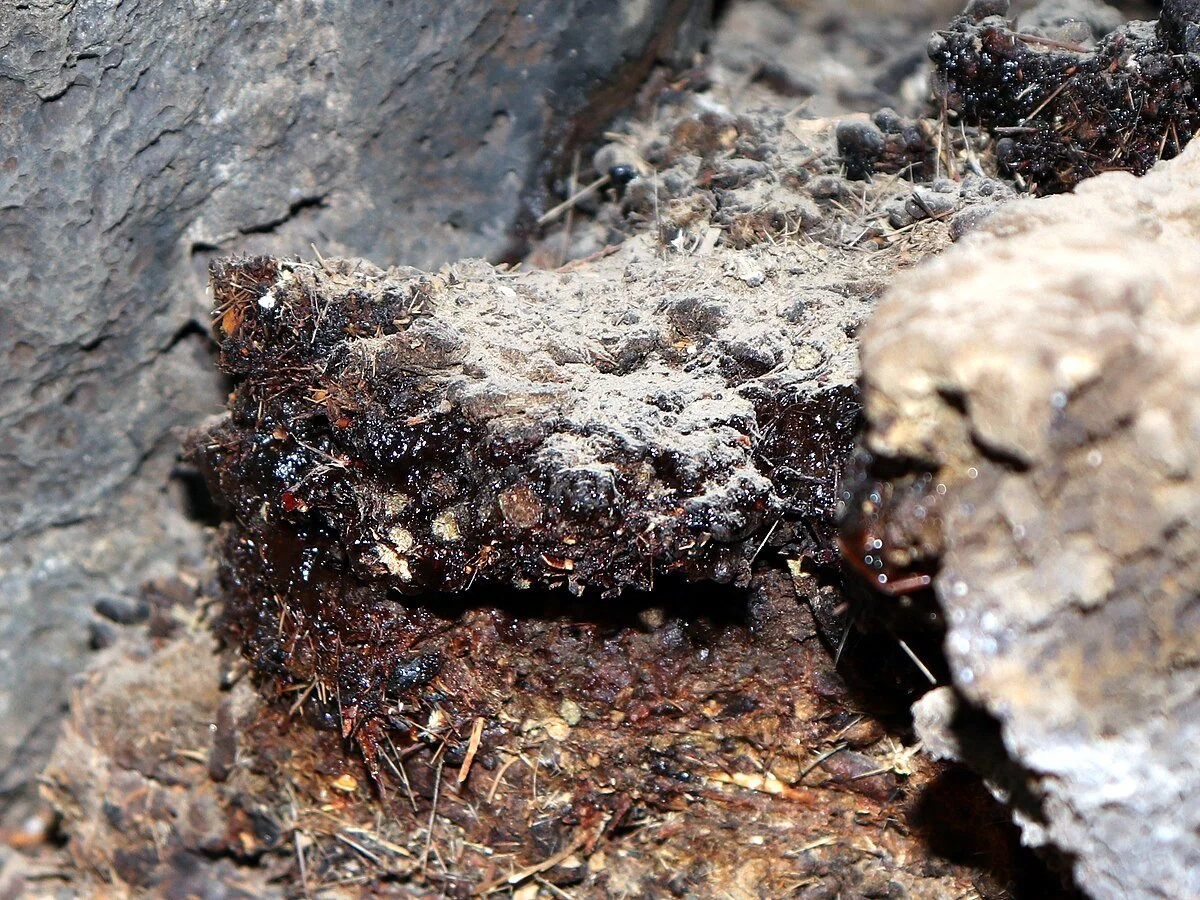
Shilajit is a naturally occurring substance found primarily in mountainous regions.
Over long periods of time, plant material and organic matter undergo natural decomposition and transformation.
The resulting mineral-rich substance is known as Shilajit.
Traditionally, it has been used within wellness systems for centuries and is often associated with:
Vitality
Strength
Endurance
General wellbeing
Today, it is commonly included in modern performance supplements because of its unique nutritional profile and powerful health benefits.
Why Is Shilajit So Popular?
The popularity of Shilajit comes from its versatility.
Many ingredients focus on a single area.
For example:
Caffeine = stimulation
Creatine = performance
Magnesium = recovery
Shilajit is different.
It is often discussed in relation to multiple aspects of wellbeing.
This broad appeal has made it particularly attractive within the male performance category.
1. Shilajit and Testosterone Support
One of the primary reasons Shilajit has become popular among men is its potential relationship with healthy testosterone levels.
Testosterone plays a critical role in:
Muscle development
Recovery
Libido
Energy levels
Mood
Motivation
Physical performance
As men age, testosterone levels naturally decline, which is why many men begin searching for nutritional strategies that may support hormonal health.
What Does the Research Say?
One of the most frequently cited human studies involved healthy men aged 45–55.
Participants received purified Shilajit (250mg twice daily) for 90 days in a randomised, double-blind, placebo-controlled trial. Researchers reported statistically significant increases in:
Total testosterone
Free testosterone
DHEAS (a hormone precursor) compared with placebo.
A review of the same study reported average increases of approximately:
20% in total testosterone
19% in free testosterone after 90 days of supplementation.
These findings are encouraging, although larger studies are still needed before definitive conclusions can be made.
Why Testosterone Matters
Healthy testosterone levels are associated with:
Energy
Low testosterone is often associated with fatigue and reduced drive.
Muscle Maintenance
Testosterone contributes to maintaining lean muscle mass as men age.
Recovery
Hormonal health plays an important role in recovery from training and physical stress.
Libido
Testosterone is closely linked with sexual wellbeing and desire.
Mood and Motivation
Many men report reduced motivation and lower mood when testosterone levels decline.
It's important to remember that testosterone is only one piece of the performance puzzle.
Sleep, stress, nutrition and training habits often have an equally significant impact.
2. Male Fertility and Reproductive Health
Interestingly, some of the strongest clinical evidence surrounding Shilajit relates to male reproductive health.
Research involving men with fertility challenges found improvements in:
Sperm count
Sperm motility
Semen quality
Overall reproductive parameters following supplementation.
This has contributed to Shilajit's growing popularity among men looking to support reproductive health naturally.
3. Energy Production and Cellular Performance
One reason many men describe Shilajit as a "natural energy" ingredient is because of its fulvic acid content and mineral profile.
Rather than acting like a stimulant such as caffeine, Shilajit is often discussed in relation to:
Cellular energy production
Nutrient transport
Mitochondrial function
Physical endurance
Researchers believe these mechanisms may help explain its traditional association with vitality and stamina.
4. Recovery and Physical Performance
Modern life places enormous stress on the body.
Whether from:
Work
Family responsibilities
Training
Poor sleep
Recovery becomes increasingly important.
Emerging research and traditional use suggest Shilajit may support:
Exercise recovery
Physical resilience
Performance maintenance
Long-term vitality
Although more human studies are needed, these areas continue to generate significant interest.
5. Healthy Ageing and Long-Term Vitality
One reason Shilajit has remained popular for centuries is its reputation as a longevity and vitality ingredient.
Men entering their 30s, 40s and 50s often become less interested in short-term performance hacks and more interested in:
Sustainable energy
Recovery
Strength maintenance
Hormonal health
Healthy ageing
This is where Shilajit may fit particularly well as part of a broader performance and wellness strategy.
What Makes Shilajit Different From Other Ingredients?
Many supplements contain ingredients designed to target a specific outcome.
Shilajit stands out because it is often included as part of a wider performance strategy.
Rather than being viewed purely as:
an energy ingredient
a recovery ingredient
a vitality ingredient
It is frequently positioned as supporting overall performance and wellbeing.
Shilajit vs Ashwagandha
This is one of the most searched questions online.
Both ingredients are extremely popular.
Both appear in male performance supplements.
But they serve different purposes.
Ashwagandha
Ashwagandha is primarily known for its relationship with:
Stress management
Adaptogenic support
Recovery
Resilience
It is often used when the primary challenge is stress.
Shilajit
Shilajit is more commonly associated with:
Vitality
Energy
Endurance
Physical performance
It is often used when the focus is broader performance support.
Which Is Better?
Neither.
They do different jobs.
In fact, one of the reasons modern formulations often combine both ingredients is because they complement each other well.
Ashwagandha supports resilience.
Shilajit supports vitality.
Together, they create a more balanced performance system.
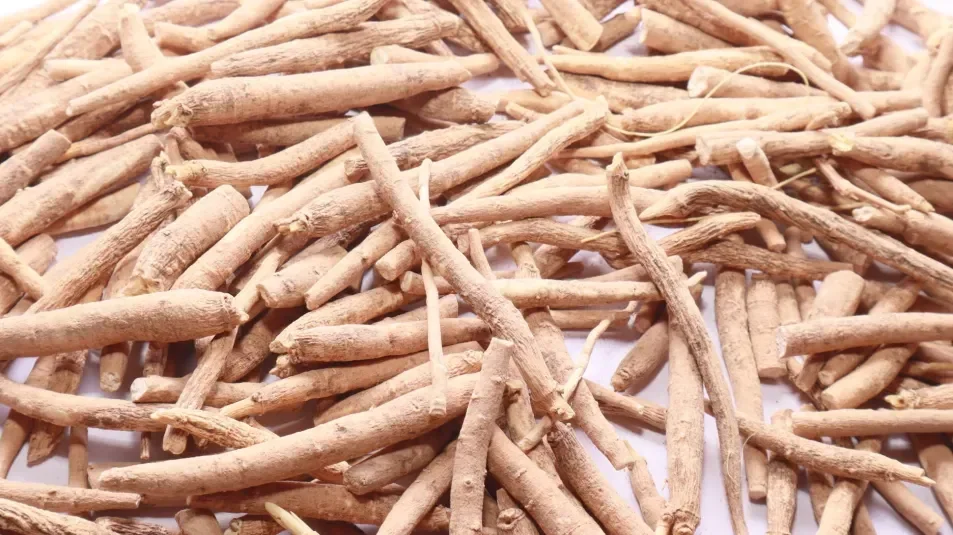
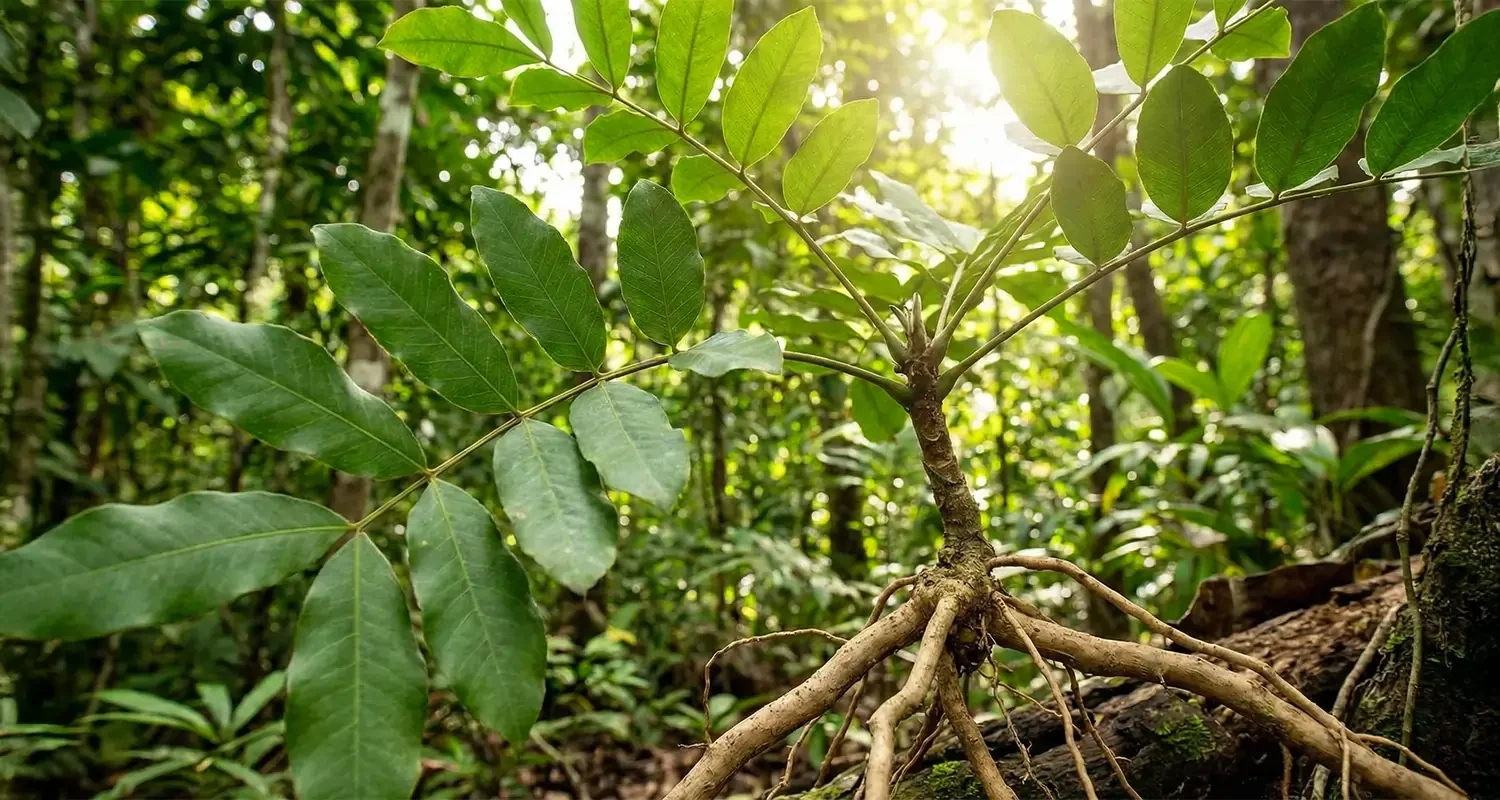
Shilajit
Ashwagandha
Why Honey Badger EVO-T Uses Both
At Honey Badger, we don't believe modern men face a single challenge.
Most men are dealing with multiple demands simultaneously:
Work pressure
Family commitments
Training goals
Recovery challenges
Stress
This is why EVO-T includes both:
Ashwagandha
For stress resilience and recovery support.
Shilajit
For vitality and daily performance support.
The goal is not simply testosterone support.
The goal is supporting the wider systems that contribute to feeling and performing at your best.
Is Shilajit Worth Taking?
This depends entirely on your goals.
If you are searching for:
More energy
Improved vitality
Better recovery support
A broader performance strategy
Then Shilajit may be worth considering as part of a wider wellness routine.
The reason it continues to grow in popularity is simple:
It fits naturally into the way many modern men want to support their health.
Not through extreme solutions.
But through consistent daily habits and supportive nutrition.
Common Questions About Shilajit
Can I Take Shilajit Every Day?
Many supplements containing Shilajit are designed for daily use. Always follow the instructions provided with the product you choose.
Does Shilajit Work Immediately?
Natural ingredients are generally used as part of a consistent daily routine rather than for instant effects.
Can Shilajit Be Combined With Ashwagandha?
Yes. These ingredients are frequently used together because they support different aspects of performance and wellbeing.
Is Shilajit Only for Men?
No. While it is often marketed within male performance products, Shilajit is used more broadly within wellness formulations.
Final Thoughts
Shilajit has become one of the most talked-about ingredients in the male performance category for good reason.
Its long history of traditional use and association with vitality, endurance and overall wellbeing have helped make it a staple ingredient in many modern formulations.
While no ingredient is a magic solution, Shilajit has earned its place among the most interesting natural performance ingredients available today.
For men seeking a broader approach to energy, vitality and daily performance, it remains one of the most compelling ingredients to explore.
HONEY BADGER FORMULATION PHILOSOPHY
Modern men are under constant pressure physically, mentally, and hormonally.
Poor sleep, high stress, processed food, environmental toxins, sedentary lifestyles, and overstimulation all contribute to declining performance and resilience.
Honey Badger Supplements was built to push back against that decline using functional, whole-food ingredients selected specifically for their role in supporting:
Strength & performance
Testosterone & male vitality
Mental focus & clarity
Recovery & resilience
Daily energy & endurance
This is not trend-based supplementation.
This is performance nutrition designed for men who expect more from themselves.
THE SCIENCETHE STUDIES BEHIND THE FORMULA
These are not claims we make. These are findings from peer-reviewed human clinical research on the specific ingredients — at the specific grades — we use.
These findings relate to the individual ingredients at the grades specified, under the study conditions referenced. They are not claims made about Honey Badger products. All HB formulas are food supplements and are not intended to diagnose, treat, cure, or prevent any disease. Individual results may vary.
-
![A white pouch of honey badger supplements with a black and white stylized lion skull and mane graphic. Text reads "HONEY BADGER SUPPLEMENTS," "Male focused outcome driven nutrition," and "Support peak male performance."]()
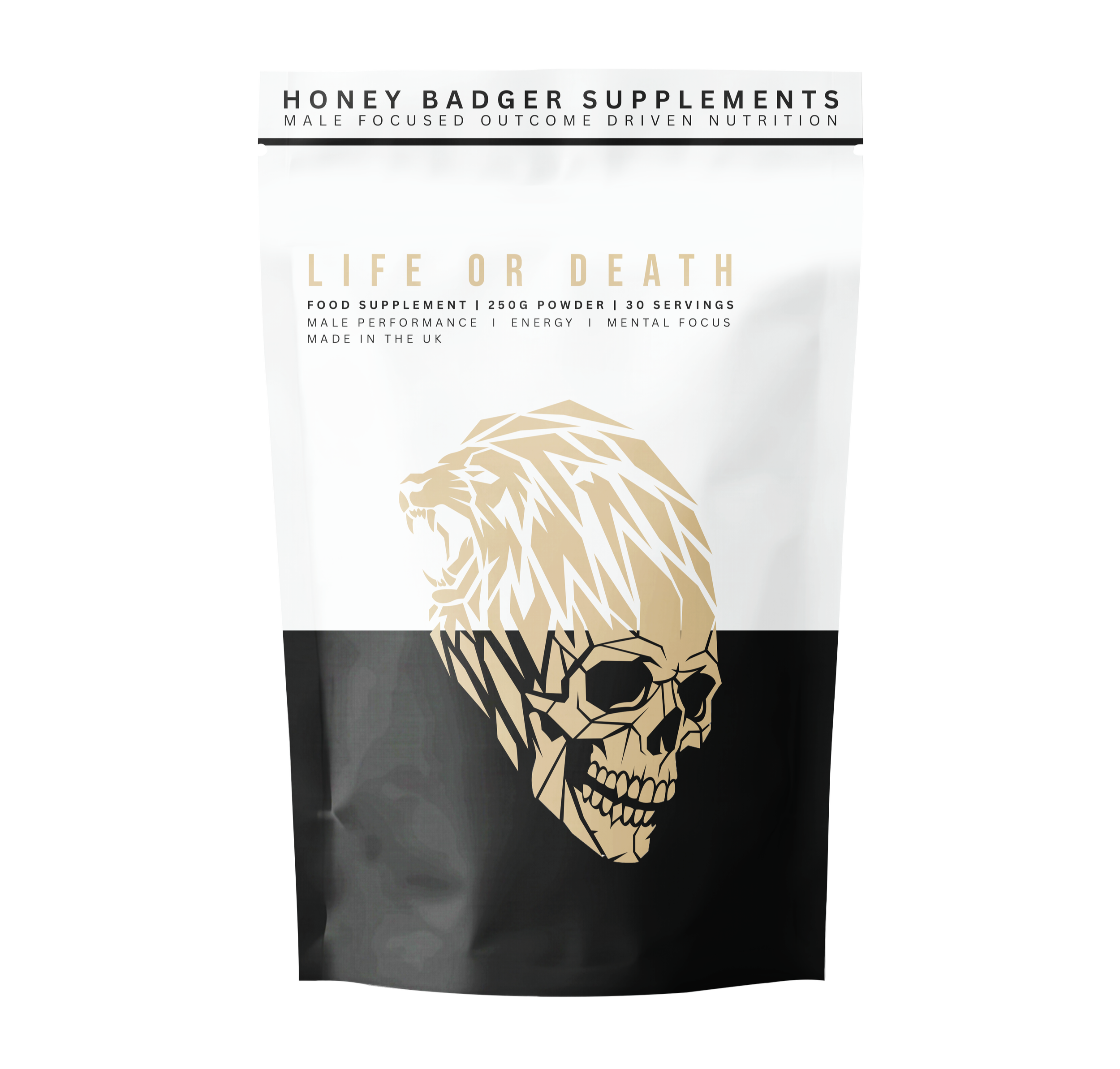
LIFE OR DEATH - Your daily foundation.
Male vitality, energy, and mental clarity, one formula, no compromises. Built for men who perform under pressure and can't afford an off day. Twelve whole-food superfoods. Nothing hidden.*One Time Purchase £34.99
Subscribe & Save £31.49
-
![Green bag of Honey Badger Supplements with lion skull graphic, label indicating male-focused nutrition, listing ingredients like wheatgrass, spirulina, chlorella, beetroot, ginger, turmeric, acai berry, and black pepper.]()
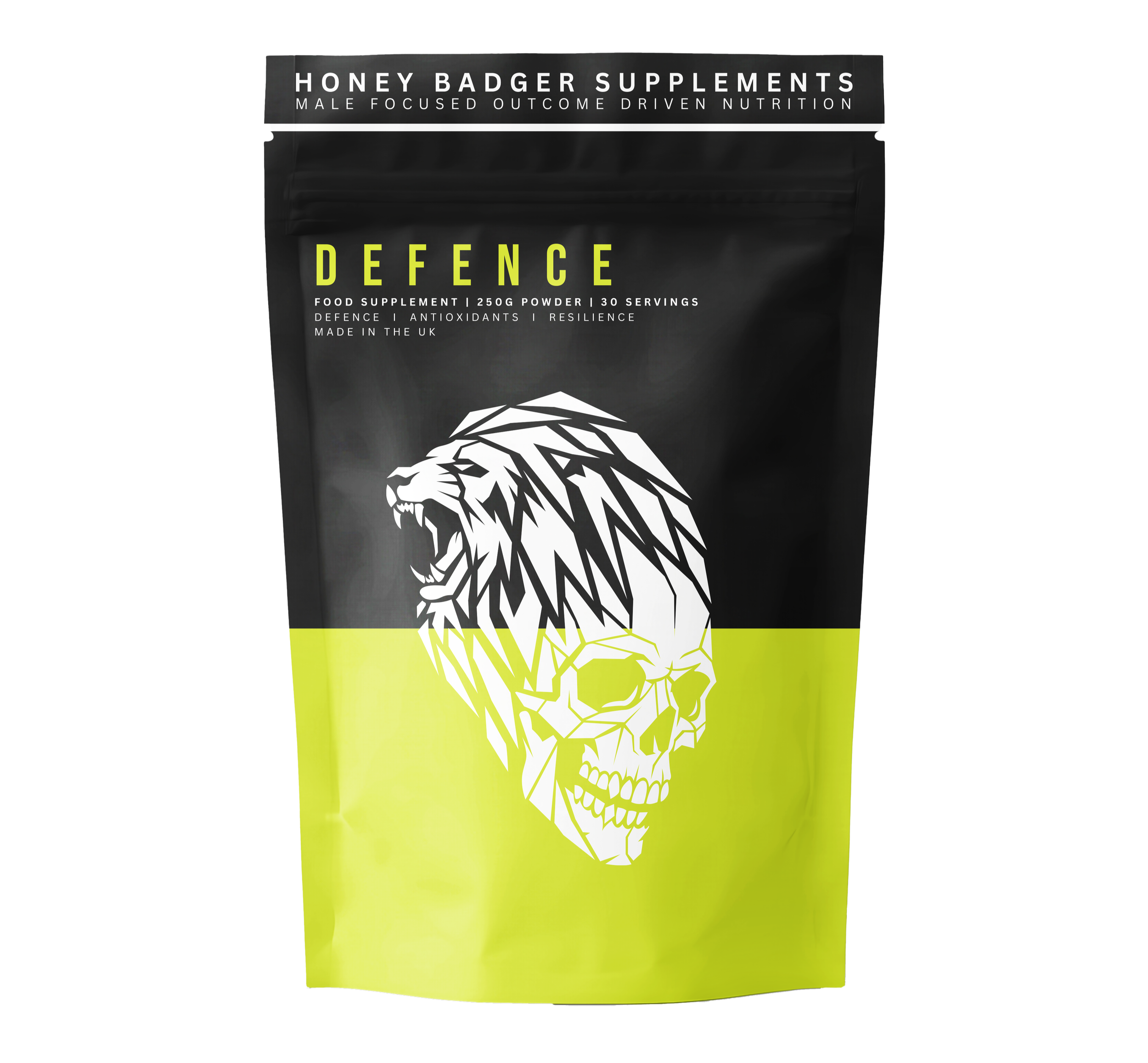
DEFENCE - Your body takes a hit every day. Pollution, stress, poor sleep, processed food, modern life doesn't make it easy. Defence is formulated to help you keep up. A whole-food superfood blend featuring antioxidant-rich botanicals and nutrient-dense whole foods, chosen for their traditional and researched use.*
One Time Purchase £29.99
Subscribe & Save £26.99
-
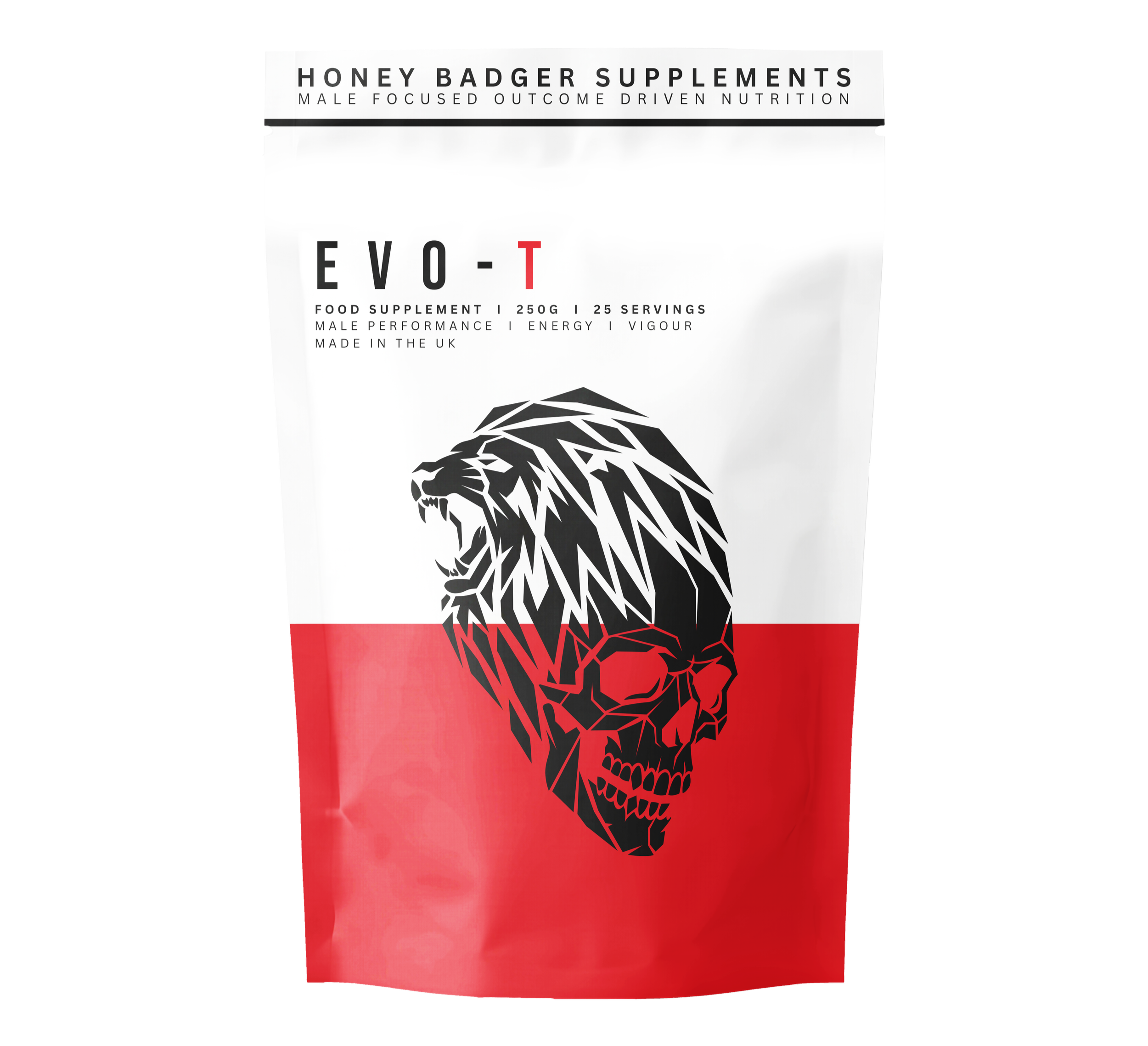
![Black pouch of Honey Badger Supplements, outcome-driven testosterone superfood mix with dosage and ingredients, featuring red, white, and black packaging.]()
EVO-T - A 100% plant-based, male-only formula built on science, not synthetics. No hormones. No shortcuts. Just the raw ingredients your body was built to run on.*
One Time Purchase £24.99
Subscribe & Save £22.49
-
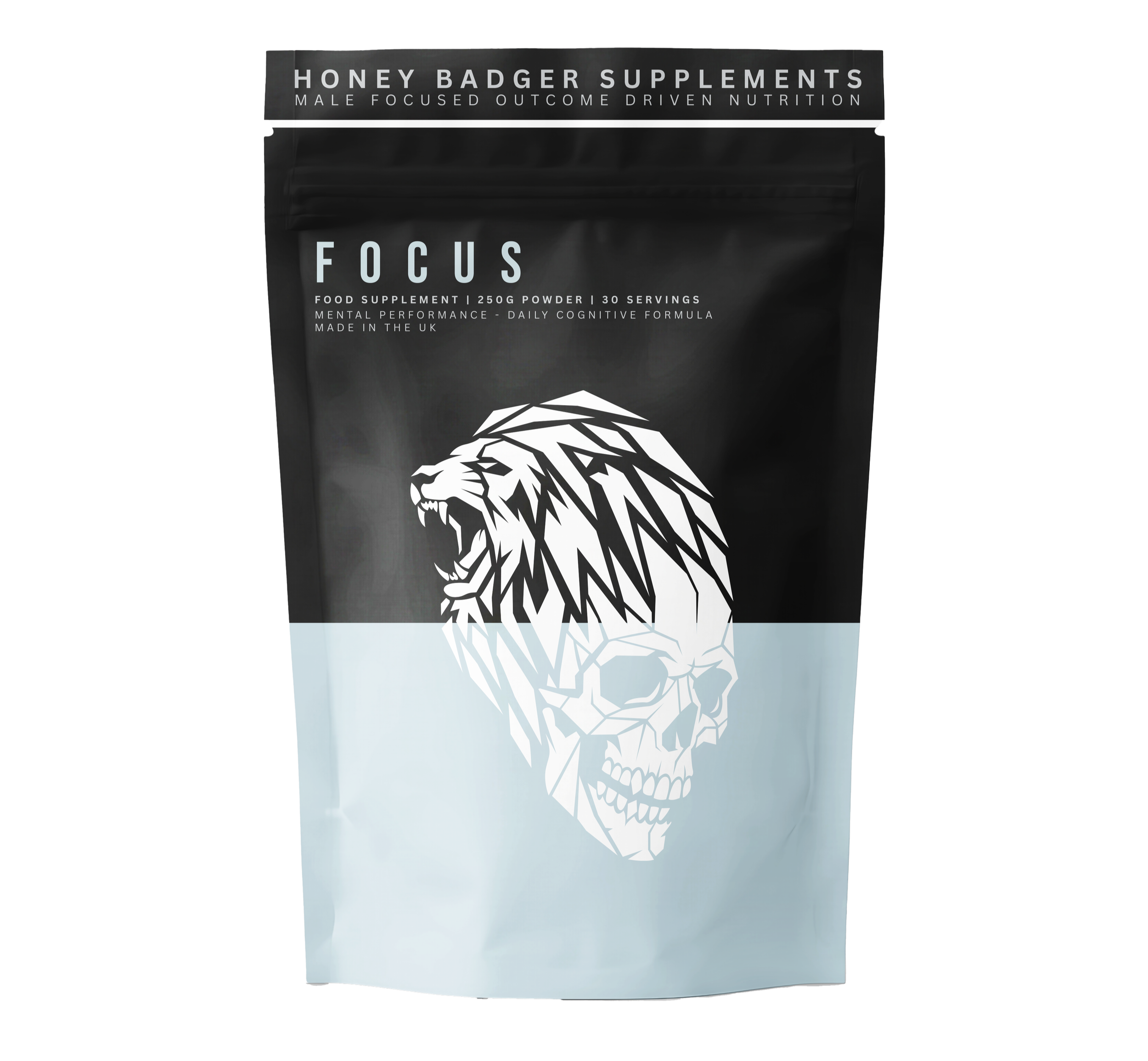
![Black packaging pouch with a skull and lion design, labeled 'Honey Badger Supplements,' announcing a mental focus superfood mix and listing ingredients like lion mane and maca root.]()
FOCUS - A nootropic-inspired superfood formula featuring traditional and researched ingredients for mental sharpness. The choice of entrepreneurs, athletes, and executives who need their mind firing as hard as their ambition.*
One Time Purchase £24.99
Subscribe & Save £22.49
-
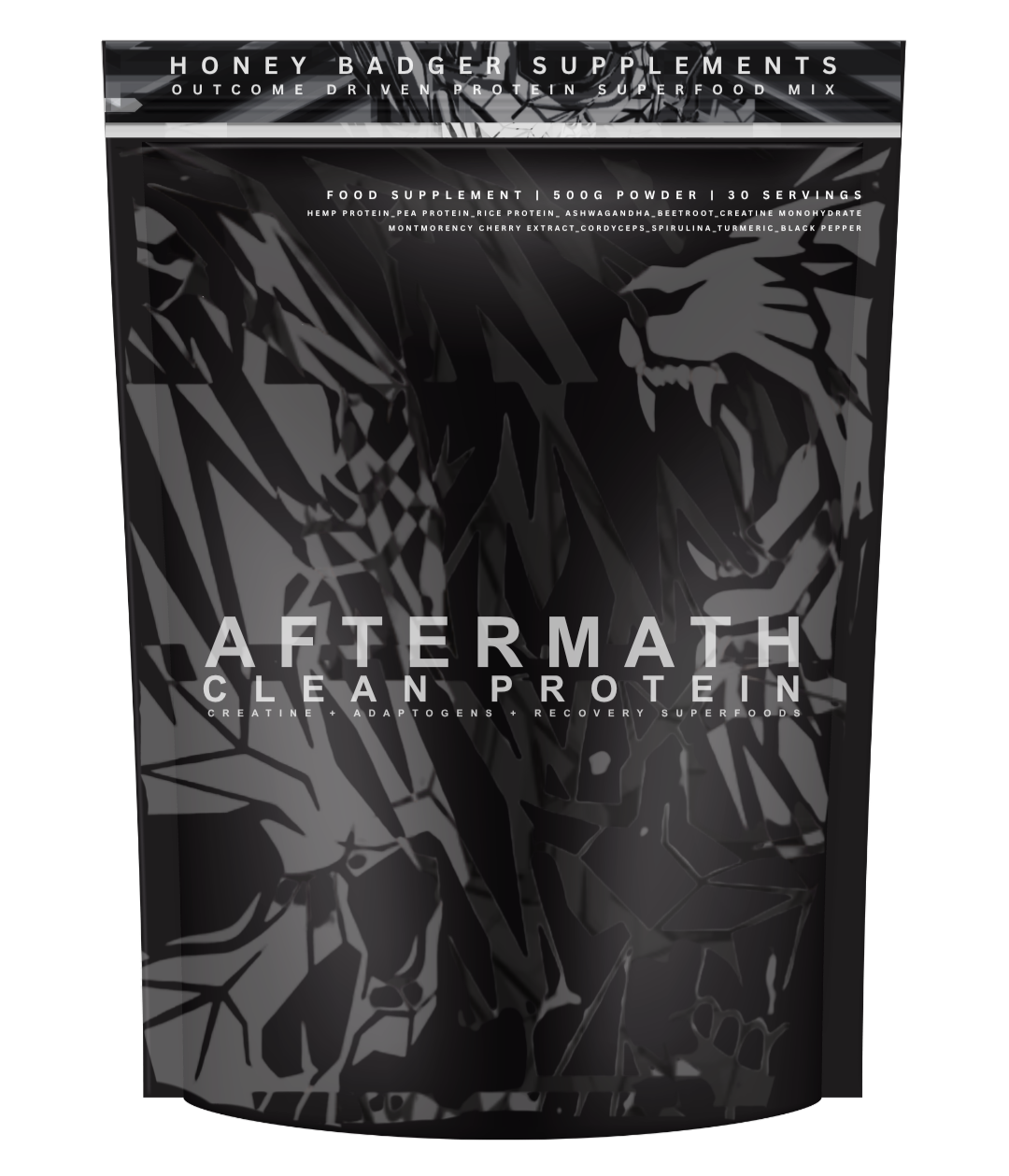
![]()
AFTERMATH - Our advanced plant-based muscle growth formula engineered for performance, recovery, and consistent progress. Combining premium plant proteins, creatine, amino acids, and scientifically researched ingredients, it delivers the foundation your body needs to build muscle, recover faster.*
One Time Purchase £44.99
Subscribe & Save £40.49
-
![A pile of small, twisted, light-colored twigs or sticks.]()
Ashwagandha
Clinically shown to support testosterone levels, reduce cortisol, and improve strength and recovery.*
-
![]()
Tongkat Ali
Tongkat Ali is a traditional herbal extract widely used to support natural testosterone production, male vitality, energy, and performance.*
-
![Close-up of a pile of black radishes with dirt and roots still attached.]()
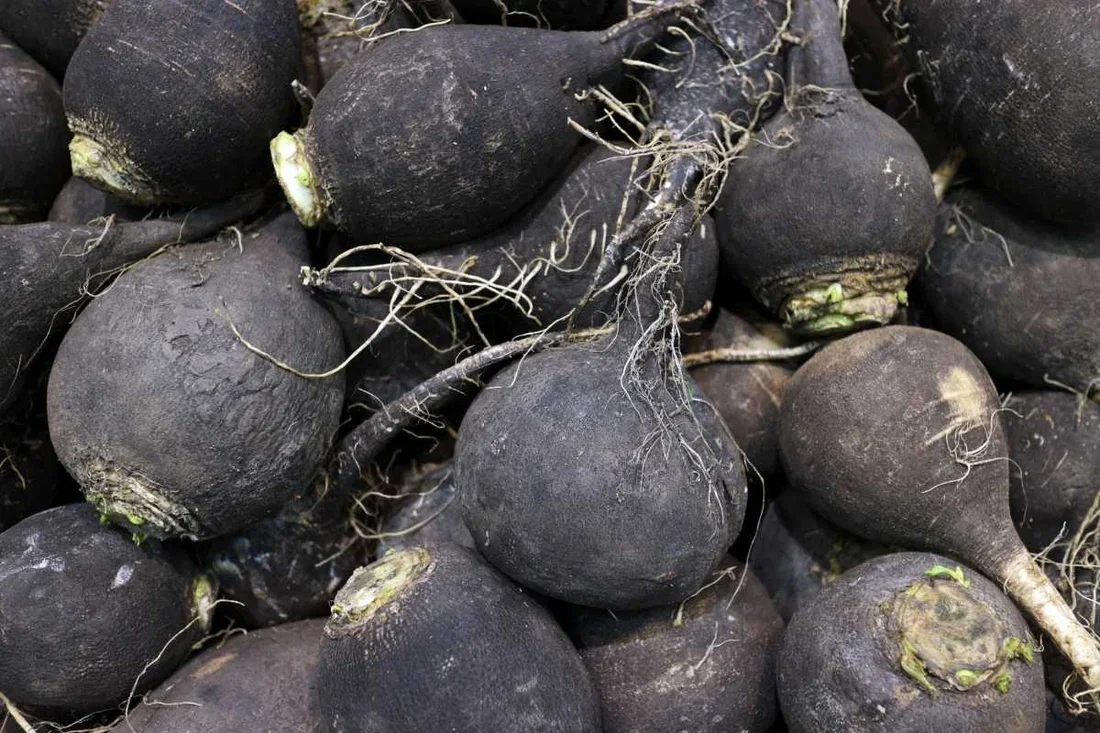
Maca Root
Particularly black maca, has been studied in human clinical trials for its effects on sexual desire, libido, and sexual function.*
-
![Close-up of animal feces on the ground among rocks and dirt.]()
Shilajit
Shown in human studies to increase total and free testosterone while supporting cellular energy.*
-
![Close-up of green and purple veined leaves of a plant, likely a variety of Caladium or similar foliage plant.]()
Horny Goat Weed
Horny goat weed (Epimedium spp.) is a botanical that has been used traditionally in Chinese herbal practices for centuries.*
-
![A basket filled with fresh green herbs, including bunches of basil and other leafy herbs.]()
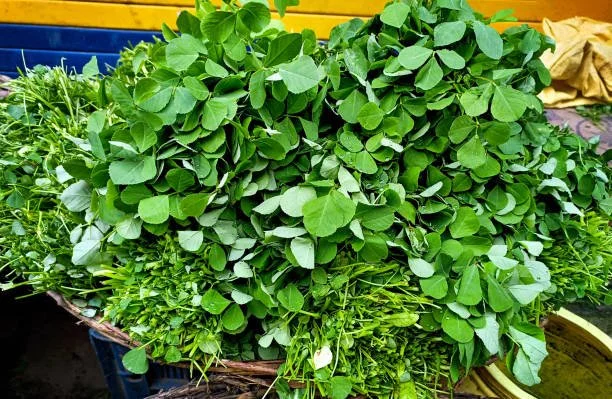
Fenugreek
Clinical analysis finds fenugreek extract supplementation is associated with significant effects on total serum testosterone in men across multiple randomised trials.*
-
![Small yellow flowers among green fern-like leaves growing on rocky ground.]()
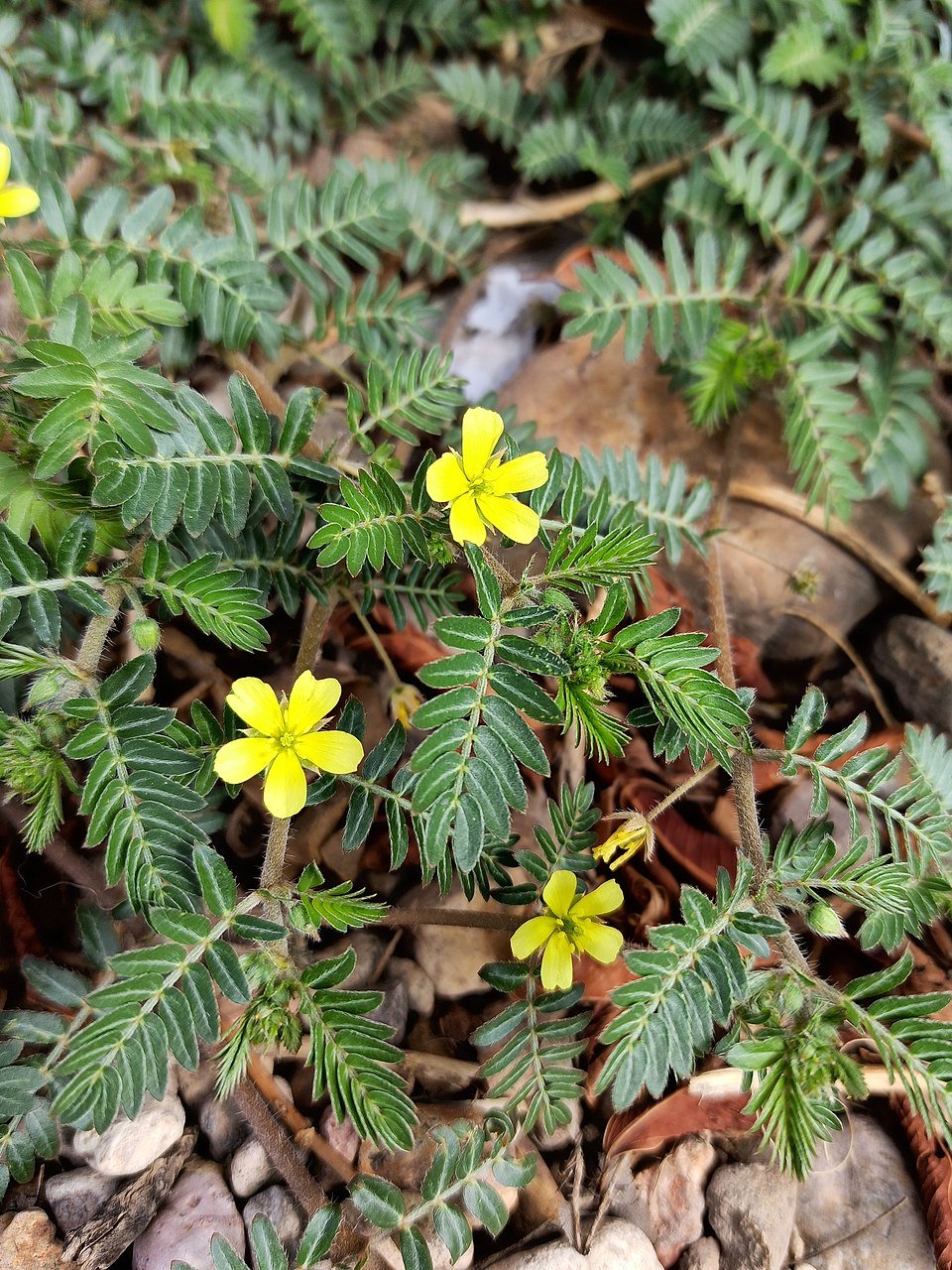
Tribulus Terrestris
Clinical trials show tribulus may support sexual function and male performance, it has traditionally been used to support vitality in men. Research also suggests it may help support overall health and wellbeing.*
-
![Close-up of green clover leaves covering the ground.]()
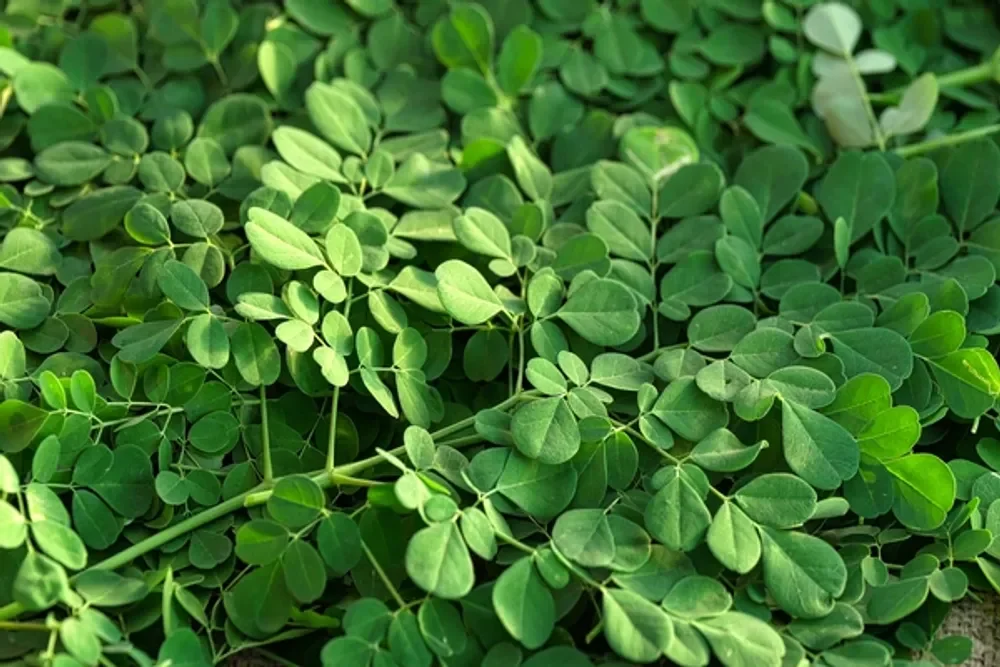
Moringa Leaf
A highly concentrated source of vitamins, minerals, and antioxidants that supports overall vitality and nutritional balance.*
-
![A cluster of white fungi growing on a fallen tree trunk in a forest, surrounded by brown fallen leaves.]()
Lion’s Mane Mushroom
Supports mental focus, clarity, and cognitive performance, keeping your mind sharp, calm, and switched on when it matters most.*
-
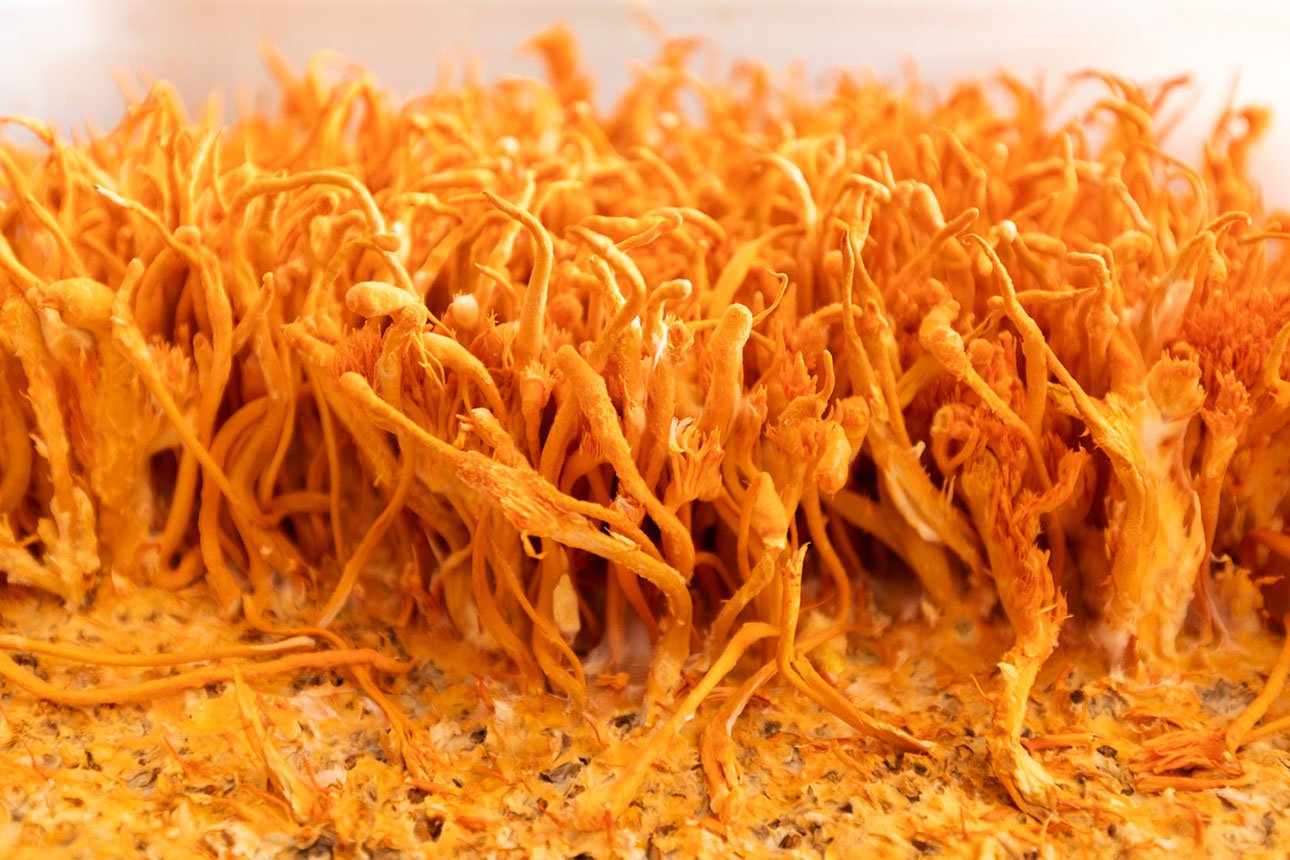
![Close-up of a cluster of orange dried chanterelle mushrooms.]()
Cordyceps Mushroom
Traditionally used to support physical energy, stamina, and endurance, helping fuel sustained performance without crashes or stimulants.*
-
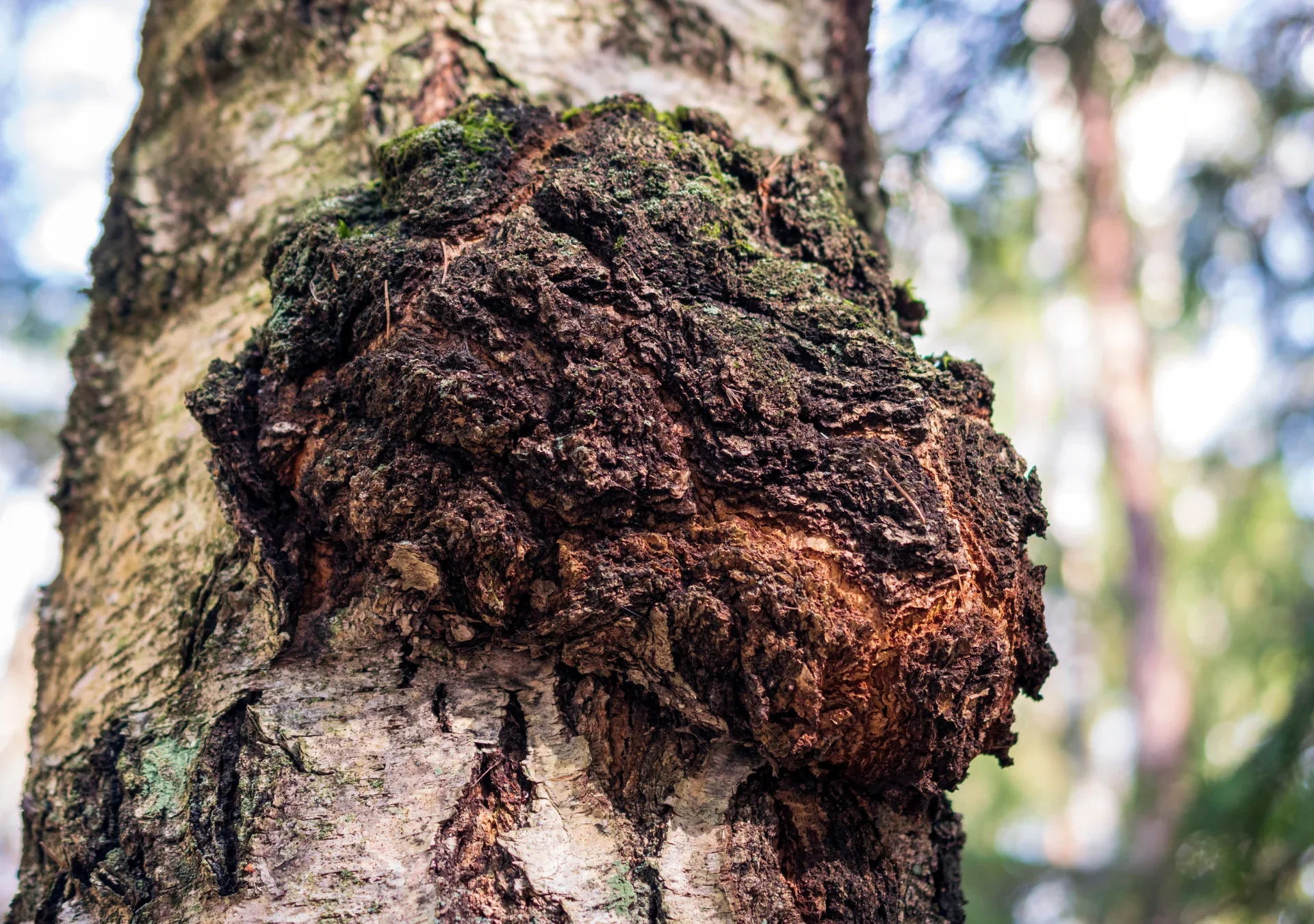
![Close-up of tree bark with a large growth or burl on the trunk, surrounded by blurred trees and foliage.]()
Chaga Mushroom
Adaptogenic powerhouse that reduces mental fatigue and supports immune health for brain longevity*
-
![Cluster of red berries with black and white eyes and water droplets on them.]()
Guarana
A powerful natural source of caffeine that helps enhance energy, alertness, and mental focus.*
-
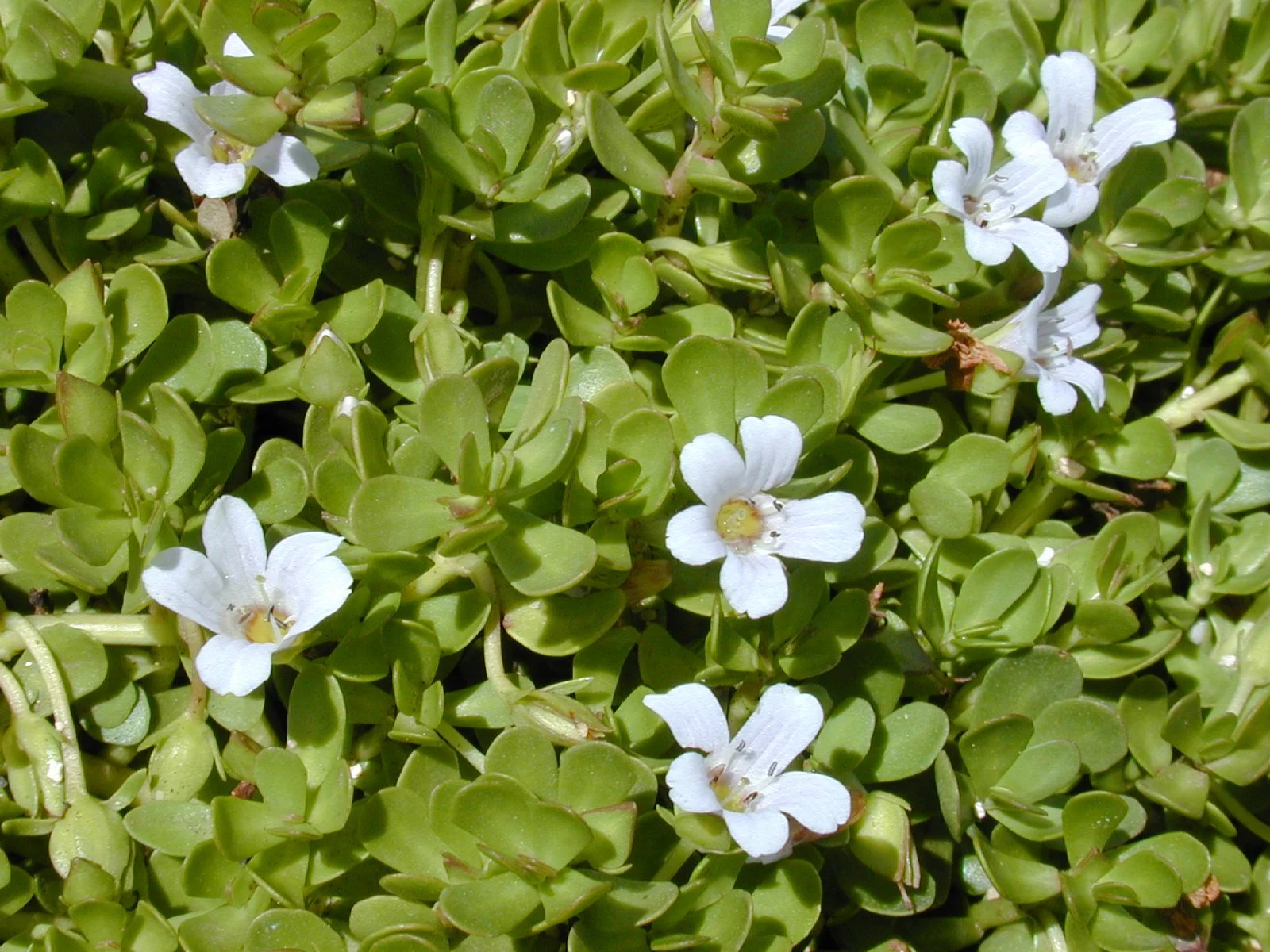
![Close-up of green creeping plant with small white flowers.]()
BACOPA MONNIERI
Bacopa Monnieri is a powerful, time-tested nootropic used for centuries in Ayurvedic medicine to support cognitive performance, memory, and mental clarity.*
-
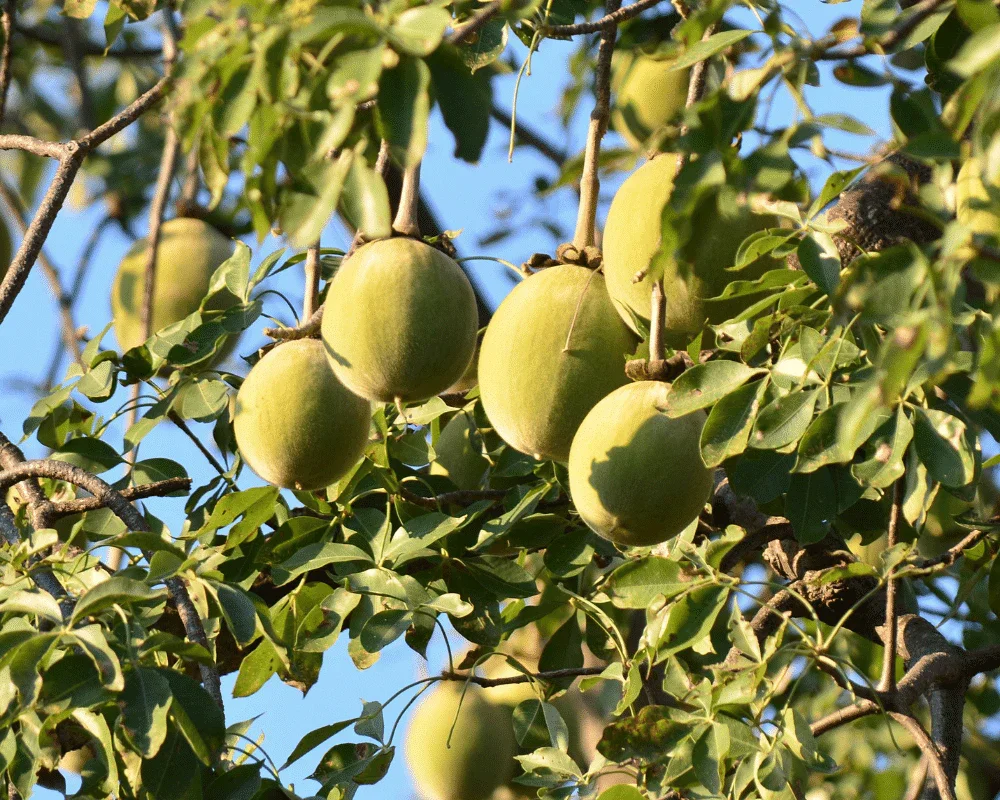
![Several green walnuts hanging from a tree branch among green leaves, with a clear blue sky in the background.]()
Boabab
Rich in vitamin C, fibre, and antioxidants, supporting digestive health, immune function, and natural cellular protection*.
-
![A digital scoop filled with white powder, set on a surface covered with the same powder, likely flour or powdered sugar.]()
Creatine Monohydrate
Supports strength, power, and physical performance during high-intensity exercise by enhancing cellular energy availability (ATP production). Research also suggests creatine may support cognitive performance and brain energy metabolism, contributing to overall mental resilience.*
-
![Close-up of vibrant green powder, possibly matcha or powdered herbs, forming a textured surface with uneven ridges and small clumps.]()
Matcha Green Tea Powder
A premium green tea extract rich in L-theanine and natural caffeine, helping support calm, sustained energy and mental focus.*
-
![A field of tall green grass with a dirt path at the bottom, under a cloudy sky.]()
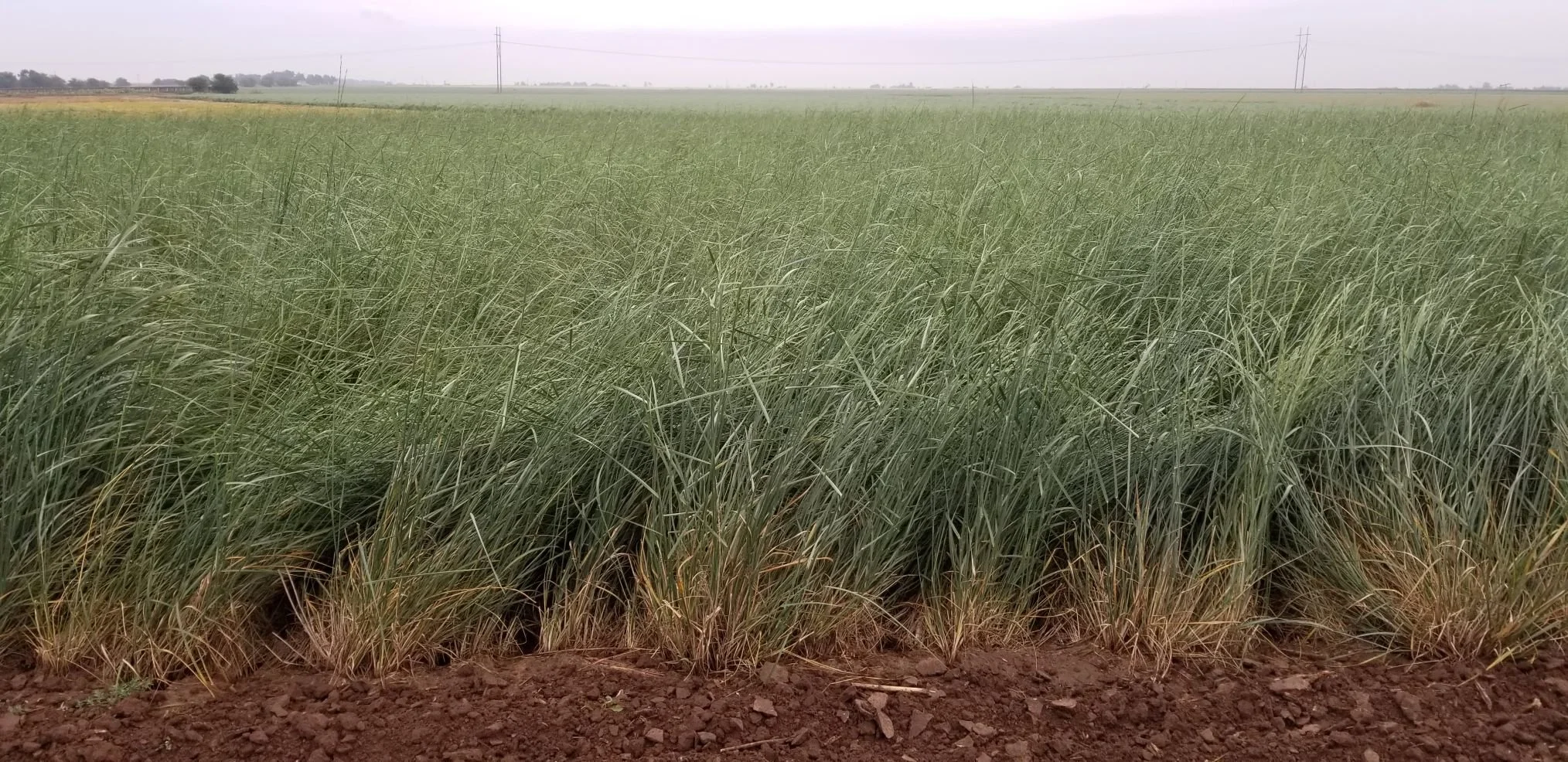
Wheatgrass
A chlorophyll-rich green superfood that supports natural detoxification processes, antioxidant defence, and overall daily vitality*.
-
![Close-up of a textured green wall with paint peeling and cracks.]()
Spirulina
A nutrient-dense blue-green algae that helps protect cells from oxidative stress, support energy levels, and maintain immune resilience*.
-
![Close-up view of green slime or moss with small bubbles or droplets on its surface.]()
Chlorella
One of the most potent algae superfoods, supporting natural cellular detoxification, antioxidant defence, and overall vitality*.
-
![A bunch of dark purple or black grapes hanging from a vine in sunlight.]()
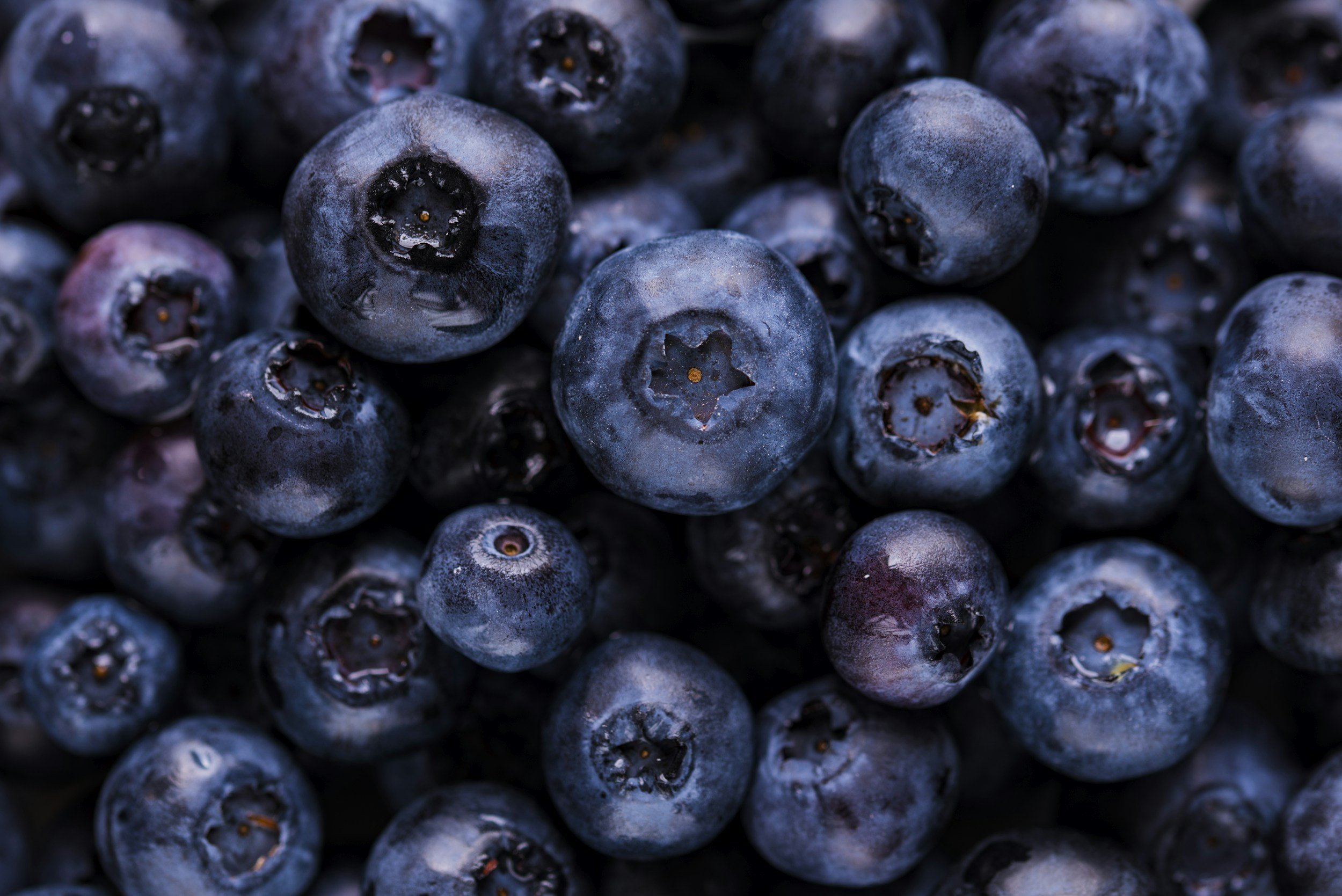
Acai Berry
A potent antioxidant superfood that supports cellular protection, cognitive clarity, and overall resilience.*
-
![Close-up of fresh red beets with green and purple leaves in the background.]()
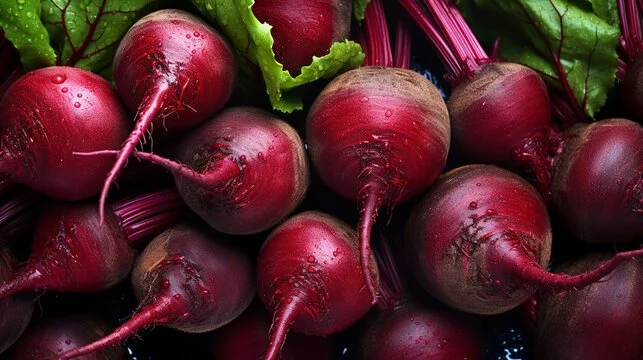
Beetroot
Improves blood circulation and oxygen delivery, Promotes cardiovascular health, which is crucial for overall male vitality and energy.*
-
![Close-up of fresh ginger roots.]()
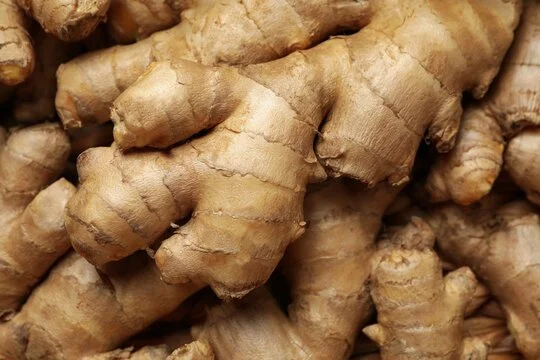
Ginger
A warming, antioxidant-rich spice that supports healthy digestion, anti-inflammatory response, and natural resilience.*
-
![Close-up of fresh turmeric roots with orange-brown skin and knobby, irregular shapes.]()
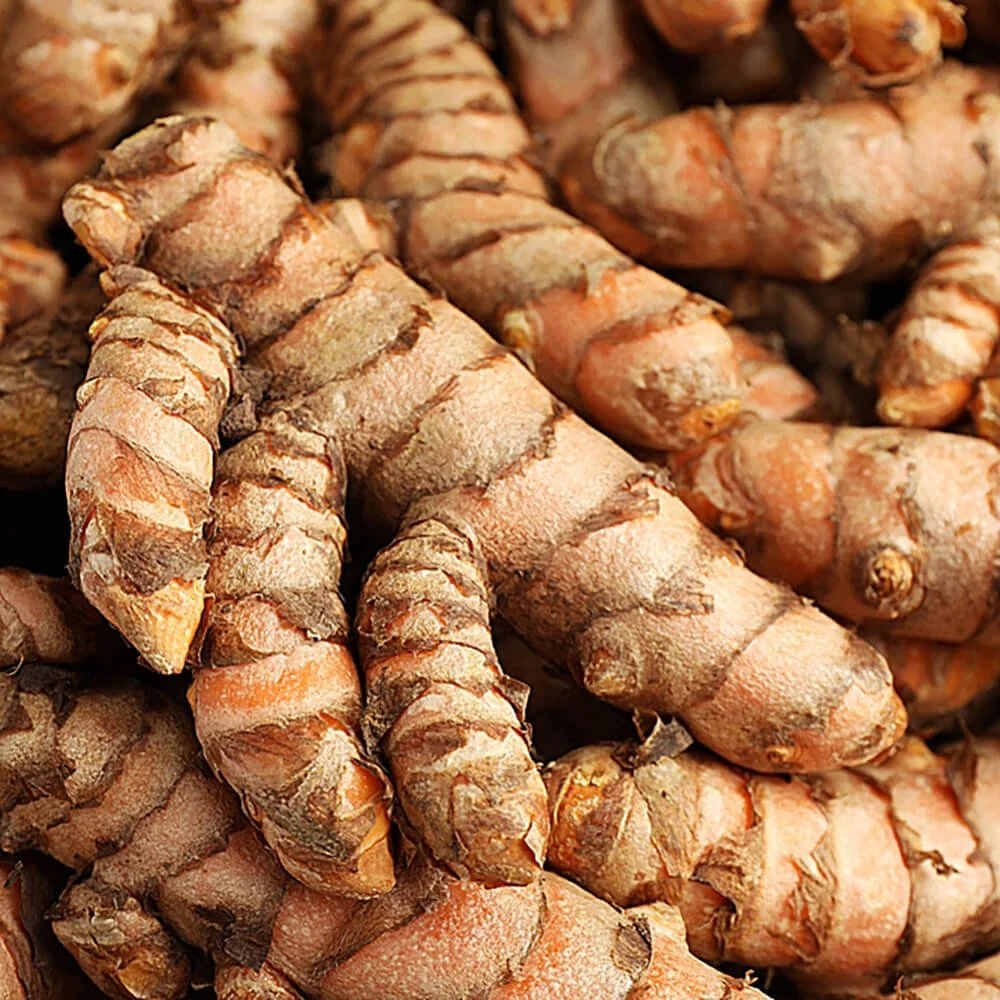
Turmeric
A warming, antioxidant-rich spice that supports healthy digestion, anti-inflammatory response, and natural resilience.*
-
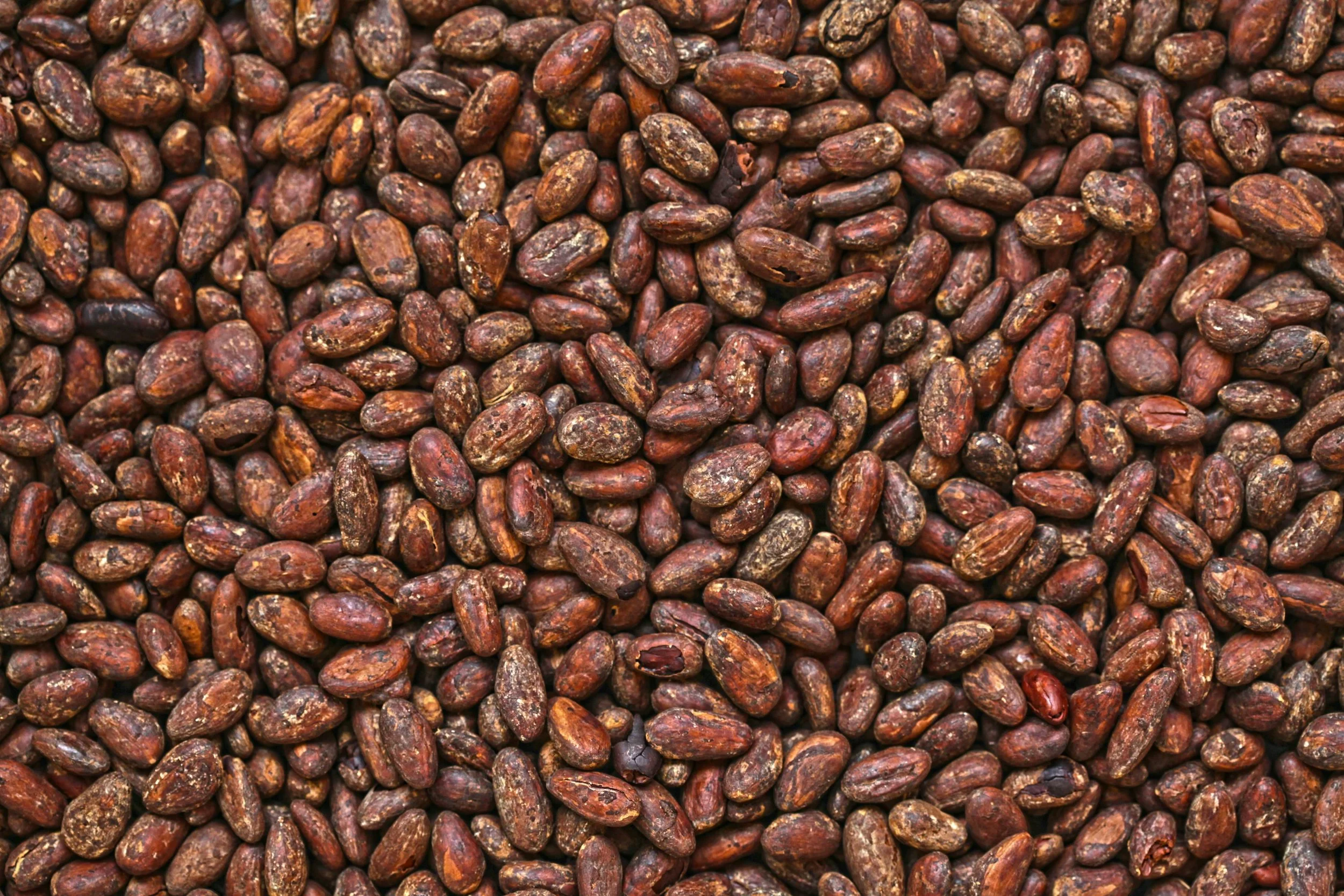
![Close-up of a large pile of cocoa beans with a brown coloration.]()
Cocoa
Contains flavonoids that improve heart health and blood circulation, Increases serotonin levels and improves mood.*
-
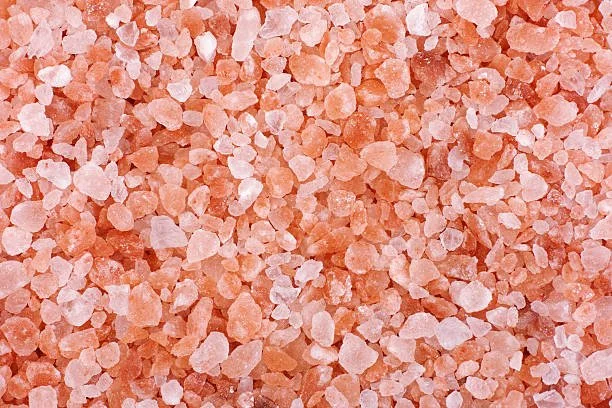
![Close-up of pink Himalayan salt crystals.]()
Pink Himalayan Salt
Contains essential minerals that support hydration and muscle function, improving physical stamina*
-
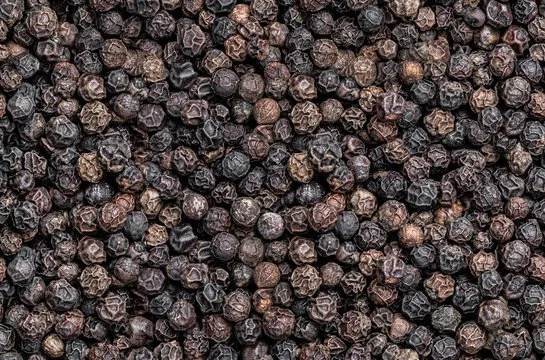
![Close-up of black peppercorns]()
Black Pepper
Commonly included to support the absorption and bioavailability of key ingredients, helping you get more from your daily supplement.*
-
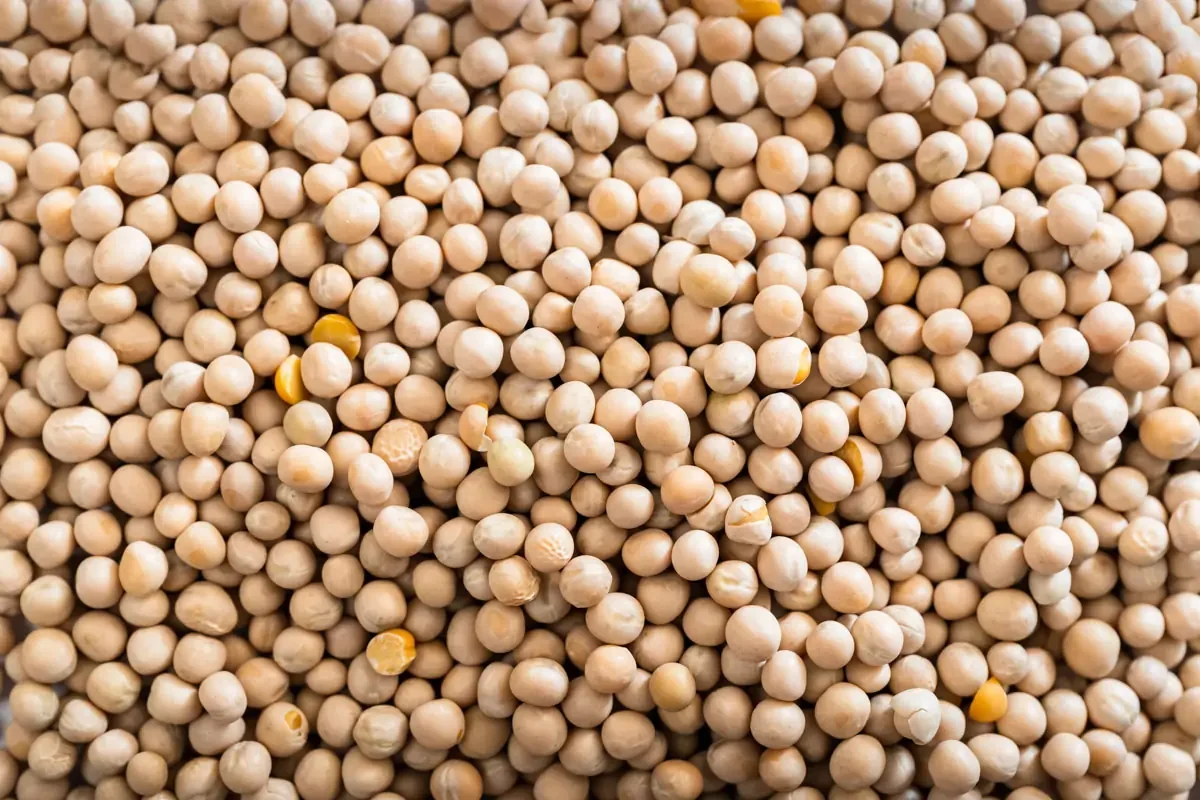
![]()
Pea Protein
Delivers highly bioavailable plant protein to support muscle repair, recovery, and strength gains, helping maximise the results of your training.*
-
![]()
Rice Protein
Works alongside pea and hemp protein to provide a balanced amino acid profile that supports muscle growth, recovery, and sustained athletic performance.*
-
![]()
Hemp protein
Provides a natural source of plant protein, healthy fats, and essential minerals to support muscle recovery, performance, and overall nutritional balance.*
-
![]()
L-Leucine
Supports muscle protein synthesis, recovery, and lean muscle growth by delivering the key amino acid responsible for activating muscle-building pathways.*
-
![]()
Montmorency Cherry Extract
Supports post-workout recovery by providing natural antioxidants that help reduce exercise-induced muscle soreness and promote faster recovery between training sessions.*




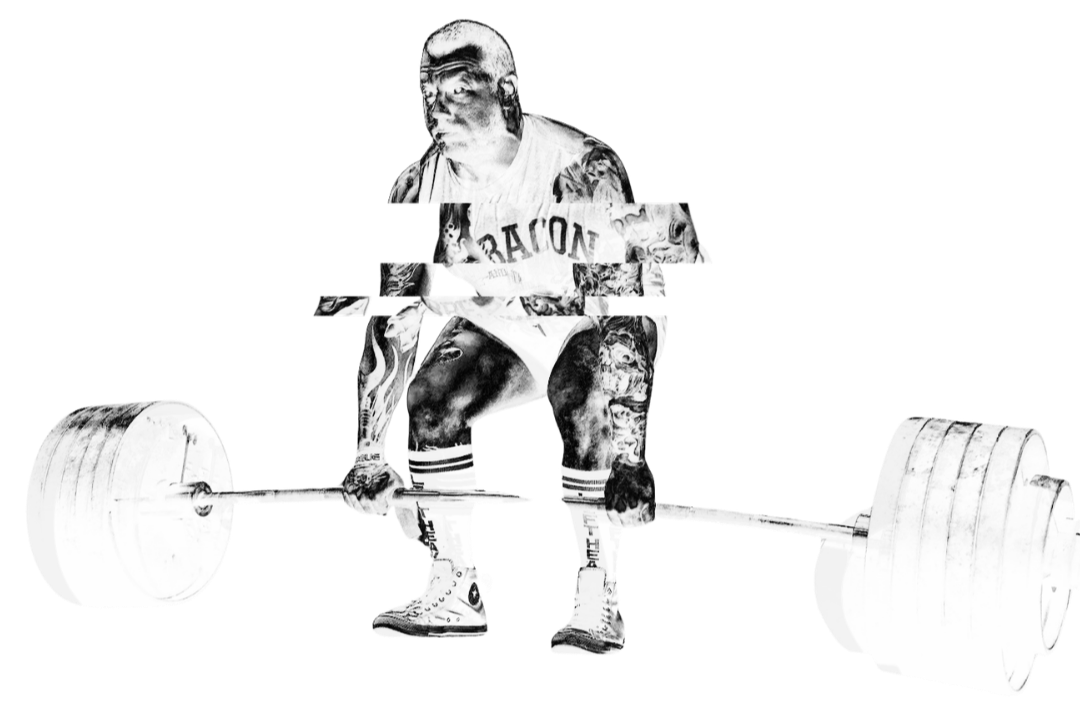
EACH HONEY BADGER FORMULATION IS OUR OWN, NO WHITE LABLE AND MADE IN THE UK WITH PREMIUM SUPERFOOD INGREDIENTS.

testosterone
-
![A muscular man with a beard and tattoos, wearing a backward baseball cap and black shorts, standing with arms crossed against a black background.]()
Testosterone a complete guide
A complete guide on everything you need to know about testosterone.
-
![A muscular man with tattoos on his left forearm and chest, wearing a black tank top, flexing his biceps against a black background.]()
Easy read guide on testosterone
Easy guide to testosterone and actionable steps on improving.
-
![A muscular man with short dark hair and tattoos on his arm, flexing his biceps against a black background.]()
boost testosterone with weight training
A complete guide, actionable steps and a weight training program to boost testosterone



-
![Numerous dried roots or twigs scattered on a surface.]()
Honey Badger EVO-T vs TestoPrime
Compare Honey Badger EVO-T vs TestoPrime. Discover ingredient differences, benefits, pricing, and which male performance supplement is best for energy, drive, and vitality.
-
![Close-up of fertilized ant nest in the soil.]()
EVO-T vs PRIME MALE
Compare Honey Badger EVO-T vs Prime Male. Discover ingredient differences, pricing, benefits, and which supplement is better for modern male performance, energy, and vitality.
-
![Close-up of green and purple patterned leaves in a garden setting.]()
EVO-T vs TESTOGEN
Compare Honey Badger EVO-T vs Testogen. Explore ingredient differences, benefits, pricing, and which supplement is better for male energy, drive, and performance.
-
![Close-up of black radishes with roots and soil attached]()
The Modern British Man’s Crisis
From dating to depression, from income stagnation to mental isolation, the modern male is enduring a quiet crisis.
-
![]()
5 Science-Backed Benefits of Ashwagandha for Peak Performance
But what makes this adaptogen a secret weapon for peak performance? .
-
![]()
How to Boost Testosterone the Complete Guide
A complete guide on everything you need to know about testosterone and how to boost it.




Honey Badger Supplements products are sold as food supplements.They are not medicines and are not intended to diagnose, treat, cure, or prevent any disease.Any information provided is for general informational purposes only and should not replace professional advice.